Wednesday, 6 May 2015

BBC podcasts rule


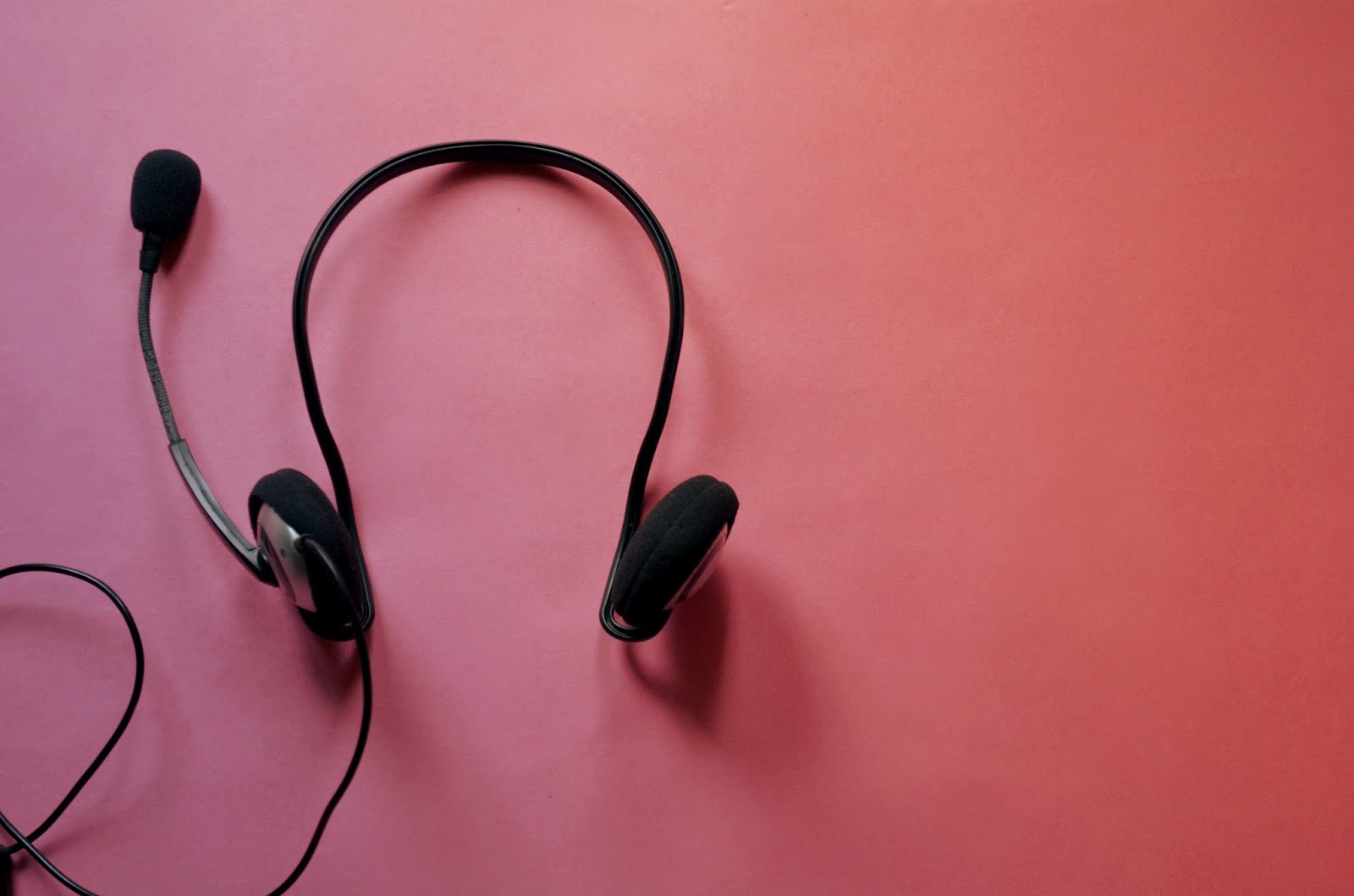
Maybe you don’t realise but I’m a big fun of podcasts. By listening to them I could improve my listening skills a lot. But I like them not only because of that. I like them mostly because they are interesting, eye-opening and informative.

I’ve been testing lately a new app created for podcast fans called Podcast Addict (I intend to write more about it in next posts). And I discovered some new podcasts which are worth listening to and subscribe.

This time my favourite podcast are more about serious staff (current affairs, facts, science):


I also discovered some fictional materials, and these in my opinion, are the best:


As you can see I prefer to listen to British accents, if you do like them as me try one or more of my propositions and enjoy listening!

Sunday, 26 April 2015

Other podcasts which you have to know


In previous posts I wrote about some podcasts which I like. Today I want to write about others.
You can find them on BBC website. There are some podcast dedicated to English learners:
These are the best examples.
The podcast are very useful, short,  easy to understand. And of course they have educational purpose.
On BBC website you can find also some podcasts from radio stations – podcasts which are more difficult to understand but, because created for native speakers, with very natural language.
You can research for your favorite on this website: http://www.bbc.co.uk/podcasts
And here you can find mine:
Pay attention – some podcasts are available only for some time.

The best thing is that there is an app or two which makes listening to the BBC podcast on your mobile device much easier. But about the apps I’m writing in next post.

Thursday, 23 April 2015

My blog's last 50 posts


Some of you are quite new here and maybe need some help with an introduction to the blog content. So, here you are.

You can divide my posts in a few categories, which can show you clearly what you can find on my blog:

  • English for 365 days project – what is it all about and how did it start:


  • How to test your English:


  • How to learn English by reading:


  • Home to memorise and revise new words:


  • Apps and web services which can be useful in English learning:


  • Online courses in English:
http://englishfor365days.blogspot.com/2015/01/day-32-online-courses-in-english-this.html

Rhymes and poetry in learning English:

Day #35 - Using your own rhymes for learning English

Day #36 - Reading and writing or translating poetry

Karaoke and songs:

http://englishfor365days.blogspot.com/search/label/lyrics

A day of the week section:
 http://englishfor365days.blogspot.com/search/label/a%20word%20of%20the%20week
Learning by creating animations and talking avatars:
http://englishfor365days.blogspot.com/search/label/animations

Tuesday, 21 April 2015

Another mnemonic for better remembering

If you are subsribing my Facebook page you've already seen my next mnemonic with a new word.
You can find it here
Or below:
A word of the week: COY
Category: aspects of character
You can find "coy" sentence examples in this dictionary:
http://sentence.yourdictionary.com/coy

Monday, 6 April 2015

Day #49 Practise your English with British Council podcast


If you are not advanced in English, especially in listening to English I recommend you British Council elementary podcast which you can find here:

This website contains audio materials but much more. First of all you can find transcript and some exercise  both in printable (in Instructions & downloads section) and interactive version. Using this materials you can not only listen to British English but also learn English by yourself.
To make it easier the whole material is divided into section. Every part has its own exercise or exercises. Of course there is also a key with answers for them at the end on the printable version. You can learn with interactive materials from website as well, it’s up to you.
But it’s not all. There is also a mobile version of the podcast. The one for android users is available here:
I don’t know what about you, but I like the idea of listening to the podcast and doing exercises wherever I am, using my mobile phone.

So try the podcast and write in the comment section what is your opinion about the materials.

Wednesday, 25 March 2015

Day #48 - Listening - what is a podcast?


There was something about reading, singing, memorising but I've never written about listening. Now is time for this. 
One of my favourite way of learning English is listening to podcasts.
First I need to explain you what a podcast is.
It’s a kind of internet broadcast audio material which can be downloaded and listened with a computer or with any kind of mp3 player. Usually podcasts are published on the websites which contain RSS feed which can be used to subscribe podcasts. So you don’t have to come back to a website with podcasts to check if there is anything new. You just subscribe it with a podcacher (a special application like iTunes for example) and every new episode of your chosen podcast will automatically downloaded on your computer disc.
You can find a lot of podcasts for English learners - I’m going to write about some which I like the most.
So check the next post.

Saturday, 21 March 2015

Day #46 – Animations with your own voice - Tellagami

Do like an idea of talking avatars? I want to show you another option for creating them. This time it’s for people with mobile devices.
Look at some examples and you’ll see what an application called Tellagami can do. The examples were created during my last trip to the UK. I visited Birmingham and its museum with a group of teachers. They task was to create animations with Tellagami avatars with native English speaker’s voices.


To use Tellagami you need to download it first.
Android users can find it here.
And iPhone, iPad users can download it here.
This time I won’t prepare any tutorials because you can find one on the Tellagami webpage:
I really love this app. You can be very creative with it and on the other hand it’s very easy to use (I used it with preschoolers).
Creating your own Gami (this is a name of an animation created with Tellagami) can be a funny way of using English – you can record your own voice, your own English speech.

Do you have any ideas what kind of animations can we prepare to practice English? 
Do you want me to prepare one for you? Put your requests or ideas in a comment section.